
FREE shipping on all orders of $60 or more!

Frequently Asked Questions

Hair Care FAQ

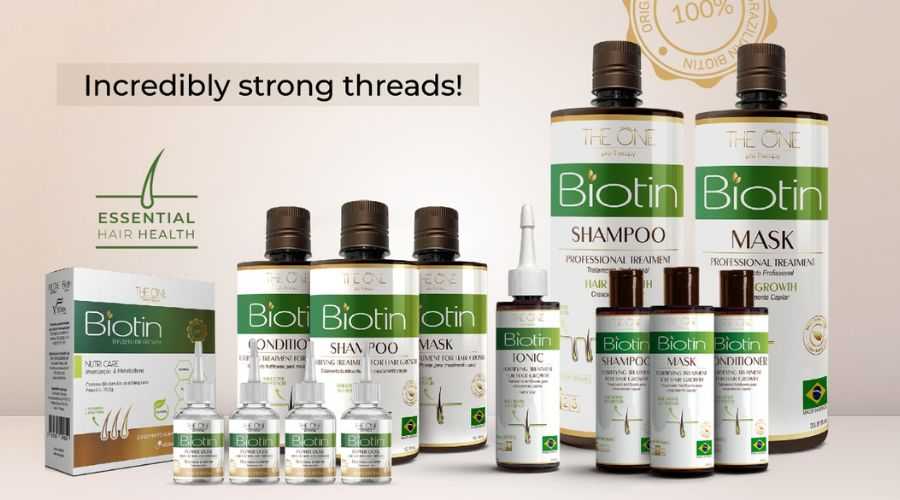
The best hair-care products are the ones that make your hair feel its happiest. For most people, that starts with a gentle, sulfate-free shampoo paired with a conditioner that actually nourishes instead of just coating the hair. A good leave-in conditioner can keep your hair soft between washes, and a heat protectant is a must if you style with hot tools. If your hair tends to be dry or curly, moisturizing creams and rich masks work beautifully. If it’s fine or oily, lightweight formulas that cleanse without weighing you down will be your best friends.
Basic hair care simply means taking care of your hair in a way that keeps it clean, moisturized, and protected day to day. It’s as simple as washing when needed, conditioning to replace moisture, and gently detangling to prevent breakage. Think of it as the “everyday hygiene” part of hair care — like brushing your teeth, but for your hair. Adding small habits, like trimming your ends every few months or avoiding tight hairstyles, keeps your hair looking healthy with very little effort.
The best hair care routine is the one that fits your life and your hair’s personality. Most people do well shampooing a few times a week, conditioning every wash, and adding a leave-in conditioner for softness and easier styling. Before using a blow dryer or straightener, a heat protectant is your hair’s shield against damage. A weekly mask gives your hair a little “spa moment,” and clarifying once a month helps remove buildup. The key is listening to your hair — if it’s feeling dry, add moisture; if it feels heavy, lighten up your products.

There are seven common types of shampoos, each with its own purpose. Clarifying shampoos give your hair a deep clean, while moisturizing shampoos hydrate thirsty strands. Volumizing shampoos add lift for finer hair, and color-safe shampoos help keep dyed hair vibrant. Anti-dandruff formulas target scalp issues, sulfate-free shampoos offer a gentle cleanse, and dry shampoos refresh your hair when you don’t have time to wash. Choosing the right one can make a big difference in how your hair behaves.

The healthiest thing you can do for your hair is treat it with a little kindness. That means using gentle shampoos, keeping your hair moisturized, and avoiding too much heat styling. Sleep on a satin or silk pillowcase to cut down on overnight friction, and try not to overuse chemical treatments like bleach or relaxers. Your hair doesn’t need perfection — it just needs consistent care and a break from harsh habits.
Different oils shine in different ways. Argan oil is fantastic for smoothing and adding shine without feeling greasy. Coconut oil deeply nourishes and helps repair damaged strands. Jojoba oil is great for balancing the scalp, since it mimics natural oils. And castor oil is a favorite for strengthening and encouraging thickness. The “best” oil really depends on what your hair is craving — moisture, shine, repair, or scalp support.
To keep your hair healthy, think of building a simple toolkit rather than a giant product shelf. A gentle shampoo and a hydrating conditioner are your base. A leave-in conditioner keeps your hair smooth between washes, and a heat protectant saves your strands on styling days. Adding a weekly mask and a lightweight hair oil or serum can help maintain long-term shine, strength, and smoothness. With just these essentials, you can keep your hair looking and feeling its best.

The safest hair products are usually the ones with fewer harsh ingredients. Look for formulas that are sulfate-free, paraben-free, and phthalate-free if you prefer gentler options. Products made for sensitive scalps or dermatologist-tested items tend to be kinder on the skin and hair. And remember — the safest product is also one that suits your hair type. Even natural products can be too heavy or too drying for certain textures, so balance is key.
Nail Care FAQ

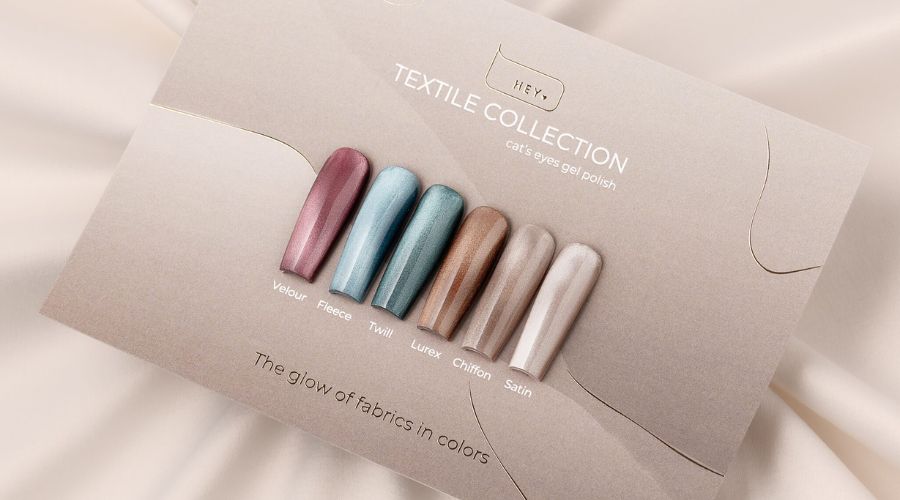
A good nail-care routine doesn’t require a huge collection — just a few essentials that keep your nails clean, strong, and neatly groomed. You’ll want a gentle nail file, a good-quality nail buffer, cuticle oil to keep the skin around your nails hydrated, and a nourishing hand cream. A base coat and top coat help protect your nails if you enjoy wearing polish. Even if you don’t wear color often, having these products ensures your nails stay smooth, moisturized, and protected from everyday wear.
If your nails could talk, they’d probably ask for moisture and nourishment. The healthiest thing you can put on your nails is cuticle oil, because it hydrates the nail bed, strengthens the nail plate, and prevents cracking and peeling. Natural oils like jojoba, almond, or vitamin E are fantastic choices. A strengthening base coat can also support weak nails. Keeping your nails moisturized is the simplest “secret” to long-lasting nail health.
“3-free” nail products are polishes made without three potentially harmful chemicals: formaldehyde, toluene, and DBP (dibutyl phthalate). Many modern nail brands go even further with “5-free,” “7-free,” or “10-free” formulas. A 3-free polish is a great option for anyone who wants beautiful nails without exposing themselves to harsh ingredients, especially if you paint your nails often or have sensitivities.

Keeping your nails healthy is all about consistency. Regularly moisturizing your cuticles, wearing gloves when cleaning, and gently filing your nails in one direction can make a big difference. Avoid biting or picking at your nails, and give them breaks from polish occasionally so they can breathe. Eating a balanced diet and staying hydrated also contribute to stronger, smoother nails. Healthy nails don’t appear overnight — but with a little care, they grow stronger every week.

“7-day nail polish” is a long-wear formula designed to last up to a week without chipping. It’s a step up from regular polish but doesn’t require a UV or LED lamp like gel. Many 7-day polishes come with a special top coat that helps lock the color in place for extended wear. If you love durability but don’t want the commitment or removal process of gel nails, this type of polish is the perfect middle ground.
To do your nails at home, you’ll want a few basics: a nail clipper, file, and buffer; cuticle pusher; cuticle oil; a good hand moisturizer; and, if painting, a base coat, nail polish, and top coat. These simple tools are enough for a clean, polished look. If you enjoy more detailed manicures, you can add extras like nail art brushes, gel polish, or a UV/LED lamp — but they’re completely optional.
Becoming a nail tech requires a more complete professional toolkit. This usually includes electric files, professional-grade nail drills, high-quality files and buffers, cuticle nippers and pushers, gel and acrylic systems, monomers, powders, nail forms, brushes, sanitizing solutions, and a UV or LED curing lamp. Nail techs also keep a range of polishes, tips, glues, and art tools to create different styles. A reliable sanitation setup is especially important, as hygiene is a key part of the profession.
For gel polish, you will need either a UV or LED lamp to cure (harden) the product. Both work, but LED lamps cure gel faster and are designed for newer gel formulas. UV lamps cure all types of gel but take a little longer. If you’re doing gel nails at home, LED lamps are usually the most convenient option — but make sure you choose a lamp that matches the type of gel polish you use for the best results.
First time ​purchase
ENJOY

10% Off

ALL PRODUCTS